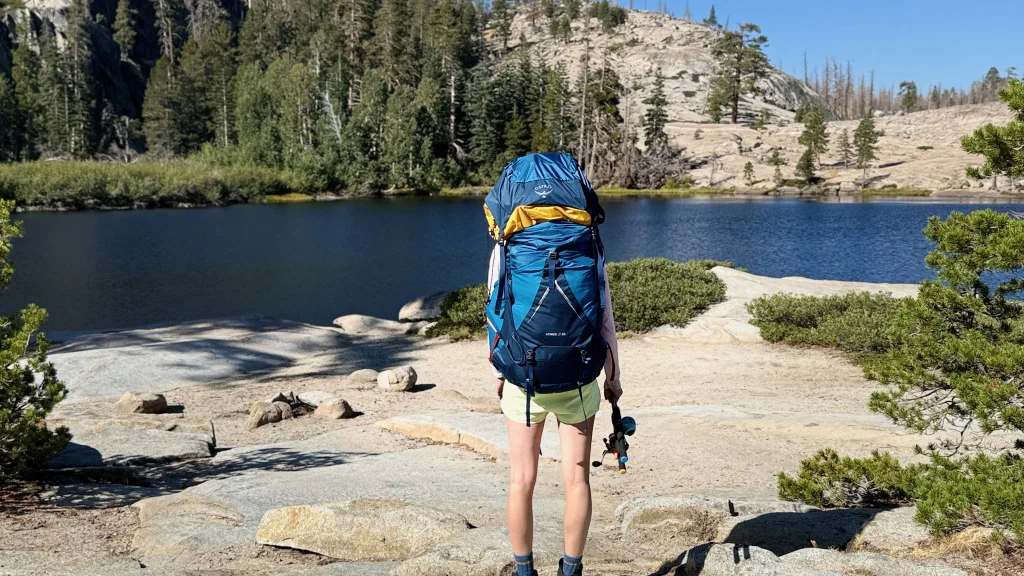
Travel has evolved significantly in recent years, with more people searching for meaningful experiences rather than traditional vacations. Instead of staying in expensive hotels or following fixed itineraries, modern travelers are choosing flexible journeys that allow them to connect with destinations on a deeper level. Backpacking has become one of the most popular ways to explore the world because it combines adventure, independence, cultural discovery, and budget-friendly travel.
Unlike conventional tourism, this style of travel focuses on carrying essential belongings, making spontaneous decisions, and experiencing places like a local. Whether someone is exploring remote mountains, historic cities, tropical beaches, or rural villages, Backpacking creates opportunities to discover hidden locations and develop valuable life skills along the way.
In 2026, changing travel trends, improved digital resources, and increased interest in sustainable tourism have made backpacking more accessible than ever. Travelers are now prioritizing authentic experiences, local interactions, and environmentally responsible choices while exploring new destinations.
What Is Backpacking and Why Is It Becoming Popular?
Backpacking is a form of independent travel where individuals carry their essential belongings in a backpack and travel for extended periods, usually with a focus on affordability and exploration. Instead of depending on luxury services, backpackers often choose budget accommodations, public transportation, local food options, and unique experiences.
The popularity of backpacking comes from the freedom it provides. Travelers can create their own schedules, change plans easily, and explore destinations beyond typical tourist attractions. Many people choose this travel style because it encourages personal growth, confidence, and adaptability.
Modern backpackers are also different from traditional travelers of the past. Today’s backpackers may use travel apps, digital payment systems, online maps, and remote work opportunities to make their journeys smoother. The combination of technology and adventurous thinking has transformed backpacking into a lifestyle choice for many travelers.
The Benefits of Choosing Backpacking for Your Next Adventure
One of the biggest advantages of backpacking is the opportunity to experience destinations in a more personal way. When travelers move away from crowded tourist areas and spend time with local communities, they gain a better understanding of different cultures, traditions, and lifestyles.
Another major benefit is affordability. Backpacking allows travelers to reduce expenses by choosing economical transportation, staying in hostels or guesthouses, preparing simple meals, and planning activities carefully. This makes long-term travel possible for students, young professionals, and anyone who wants to explore without spending a fortune.
Beyond financial advantages, backpacking also builds important personal skills. Managing limited resources, navigating unfamiliar locations, and solving unexpected problems help travelers become more independent and confident.
Some major benefits of this travel style include:
- Greater cultural understanding through local experiences and interactions.
- More flexibility to explore destinations at a personal pace.
- Lower travel costs compared with traditional vacations.
- Improved confidence, problem-solving skills, and independence.
How to Plan a Successful Backpacking Trip
Choosing the Right Destination
Selecting the right destination is the first step toward a successful journey. The ideal location depends on factors such as budget, travel experience, weather conditions, safety levels, and personal interests. Beginners often choose destinations with reliable transportation systems, affordable accommodation, and welcoming local communities.
Popular regions for backpacking include Southeast Asia, parts of Europe, South America, and several destinations across India. These locations offer diverse landscapes, cultural experiences, and opportunities for adventure activities.
Before finalizing a destination, travelers should research local customs, visa requirements, seasonal conditions, and estimated expenses. Proper preparation helps avoid unnecessary challenges during the journey.
Creating a Realistic Travel Budget
Budget planning is an essential part of backpacking because expenses can vary significantly depending on location and travel style. A well-planned budget should include transportation, accommodation, food, activities, emergency funds, and travel insurance.
Many experienced backpackers follow a flexible budget approach. Instead of spending heavily on expensive attractions, they focus on free experiences such as hiking trails, local markets, cultural events, and natural landscapes.
A simple budget overview can help travelers understand how expenses are generally distributed:
| Expense Category | Examples | Importance |
|---|---|---|
| Transportation | Buses, trains, flights, local travel | Helps manage movement between destinations |
| Accommodation | Hostels, guesthouses, budget stays | Provides affordable resting options |
| Food | Local restaurants, street food, self-cooking | Controls daily spending |
| Activities | Tours, sightseeing, adventure experiences | Creates memorable travel moments |
Essential Gear Every Backpacker Should Carry
Packing correctly can make a major difference during long journeys. Many beginners make the mistake of carrying too many unnecessary items, which creates discomfort and limits mobility. Experienced travelers understand that lightweight packing improves convenience and flexibility.
A good backpack should contain practical items that support safety, comfort, and daily needs. The goal is not to carry everything but to carry the right things.
Important Packing Considerations
A backpacker should focus on versatile clothing, reliable footwear, basic medical supplies, and useful technology. Weather conditions and destination type should influence packing decisions.
Essential items generally include:
- Comfortable backpack with proper support and adjustable straps.
- Weather-appropriate clothing and durable walking shoes.
- Personal hygiene products and basic first-aid supplies.
- Power bank, travel documents, and necessary electronic accessories.
Sustainable Backpacking and Responsible Travel Trends
Sustainability has become an important part of modern travel. As environmental awareness grows, many travelers are adopting responsible habits to reduce their impact on natural and cultural environments.
Eco-friendly backpacking involves choosing sustainable transportation, avoiding unnecessary waste, respecting local communities, and supporting small businesses. Travelers are increasingly selecting destinations that promote conservation and responsible tourism practices.
In 2026, sustainable travel is expected to continue growing as more people understand the importance of protecting natural landscapes and cultural heritage. Responsible backpackers recognize that exploring the world also means preserving it for future generations.
Best Types of Backpacking Experiences
Adventure Backpacking
Adventure-focused travelers often choose destinations that offer hiking, trekking, camping, wildlife experiences, and outdoor challenges. Mountain regions, national parks, and remote landscapes provide opportunities for exploration and physical activity.
These journeys require careful preparation because weather conditions, terrain difficulties, and limited facilities can create challenges. Proper research and safety planning are essential for adventure-based trips.
Cultural Backpacking
Cultural travel focuses on connecting with local traditions, communities, history, and lifestyles. Instead of simply visiting famous landmarks, travelers spend time understanding local food, festivals, languages, and customs.
This type of journey creates meaningful memories because it allows travelers to see destinations from a local perspective rather than only through popular tourist attractions.
Safety Tips for Modern Backpackers
Safety should always remain a priority during any journey. While backpacking offers freedom and adventure, unfamiliar environments can create unexpected situations. Being prepared helps travelers enjoy their experiences with confidence.
Keeping important documents secure, maintaining communication with family or friends, understanding local laws, and avoiding risky situations are basic safety practices every traveler should follow.
Travelers should also maintain flexibility because plans may change due to weather, transportation issues, or personal circumstances. A positive mindset and practical decision-making can make challenging situations easier to manage.
How Technology Has Changed Backpacking
Technology has completely transformed the way people travel. In the past, backpackers depended mainly on guidebooks and physical maps, but today smartphones provide access to navigation tools, translation services, travel communities, and digital payments.
Online research helps travelers discover affordable accommodations, local experiences, and hidden destinations. Digital tools also improve safety by allowing travelers to share locations, access emergency information, and communicate internationally.
However, experienced backpackers understand the importance of balancing technology with real-world experiences. The purpose of travel is not only capturing moments digitally but also creating genuine connections with places and people.
Common Mistakes Beginners Should Avoid
Many first-time travelers face difficulties because of poor planning or unrealistic expectations. Carrying excessive luggage, ignoring local customs, underestimating expenses, and creating overly strict schedules can reduce the enjoyment of a trip.
Successful backpacking requires preparation but also flexibility. Travelers should allow time for unexpected discoveries and understand that challenges are often part of the adventure.
Learning from experienced travelers and researching destinations carefully can help beginners avoid common mistakes and create smoother journeys.
FAQs
What is the main purpose of backpacking?
The main purpose of backpacking is to explore destinations independently while focusing on cultural experiences, affordability, and personal growth. It allows travelers to discover places at their own pace and create meaningful connections.
Is backpacking only suitable for young travelers?
No, backpacking is suitable for people of different ages and backgrounds. Anyone with proper planning, realistic expectations, and a willingness to adapt can enjoy this style of travel.
How much money is needed for backpacking?
The required budget depends on the destination, travel duration, accommodation choices, and personal spending habits. Some travelers manage long journeys with limited budgets, while others prefer more comfortable options.
Is backpacking safe for solo travelers?
Solo backpacking can be safe when travelers research destinations, stay aware of their surroundings, protect personal belongings, and follow basic safety practices. Preparation plays an important role in reducing risks.
What is the difference between backpacking and regular tourism?
Traditional tourism often involves planned schedules, hotels, and guided experiences, while backpacking focuses on independence, flexibility, budget management, and deeper local experiences.
Can backpacking be combined with remote work?
Yes, many modern travelers combine backpacking with remote work opportunities. Digital technology has allowed people to work from different locations while continuing their journeys.
Conclusion
Backpacking represents more than just an affordable way to travel; it is an opportunity to experience the world with curiosity, independence, and an open mind. From discovering new cultures to developing personal confidence, this travel style creates memories that often last a lifetime.
As travel trends continue changing in 2026, more people are choosing meaningful experiences over traditional vacations. With proper planning, responsible choices, and a willingness to explore beyond familiar places, backpacking can become one of the most rewarding adventures a person can experience.
Whether someone is traveling across countries or exploring hidden locations closer to home, the spirit of backpacking remains the same: discovering the world one journey at a time.
Leave a Reply