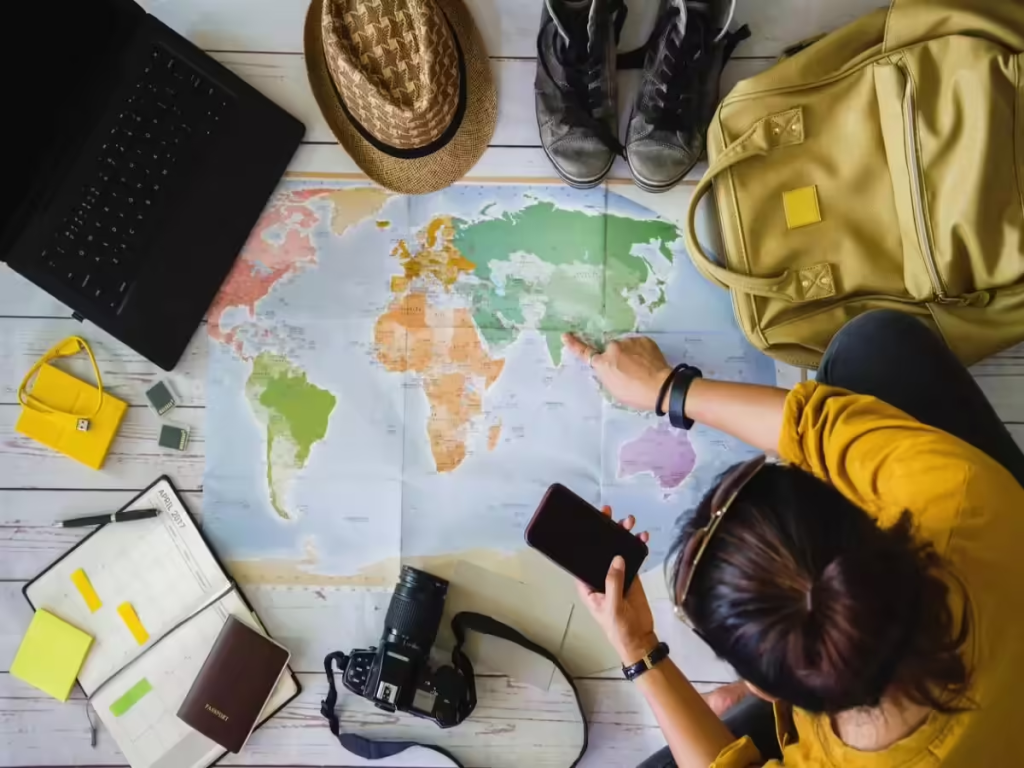
Traveling beyond borders has always been a way to discover new cultures, experience different lifestyles, and create unforgettable memories. In recent years, the way people explore the world has changed significantly. With improved connectivity, digital travel tools, flexible work options, and evolving tourism trends, more travelers are planning meaningful journeys across countries. International Travel is no longer limited to luxury vacations; it has become accessible to students, families, solo travelers, professionals, and adventure seekers looking for unique experiences.
The current travel landscape focuses on more than simply visiting famous attractions. Modern travelers are interested in authentic cultural experiences, sustainable tourism, local food, wellness journeys, and exploring less crowded destinations. Countries around the world are improving tourism infrastructure, simplifying visa processes, and introducing technology-driven services to make international journeys smoother and more convenient.
Planning a successful overseas trip requires careful preparation, from choosing the right destination and understanding entry requirements to managing budgets and ensuring personal safety. Whether someone is planning their first international vacation or exploring multiple countries, having the right knowledge can transform a simple trip into a rewarding global adventure.
Understanding the Growth of International Travel in 2026
The global tourism industry has continued to recover and expand after major disruptions in previous years. Travelers are showing increased confidence in exploring international destinations, while governments and tourism organizations are investing heavily in improving travel experiences. The demand for personalized trips, digital booking solutions, and flexible travel options has become a major factor shaping the industry.
One of the biggest changes in modern International Travel is the shift toward experience-based tourism. Instead of only visiting traditional landmarks, travelers are searching for deeper connections with destinations. They want to participate in local traditions, learn new skills, explore natural landscapes, and understand different cultures. This trend has encouraged destinations to promote community-based tourism and unique experiences.
Technology is also playing a major role in making global travel easier. Mobile applications help travelers manage flights, accommodations, payments, translation, navigation, and travel documents. Digital passports, online visa applications, and contactless services are gradually improving convenience at airports and tourist locations.
Popular International Travel Trends Shaping the Future
Sustainable and Responsible Tourism
Environmental awareness has become one of the most important factors influencing travel decisions. Many travelers now consider the environmental impact of their journeys before selecting destinations, transportation options, and accommodations. Hotels and tourism companies are adopting sustainable practices such as renewable energy usage, waste reduction programs, and eco-friendly activities.
Responsible tourism also encourages visitors to respect local communities, protect natural resources, and support small businesses. Travelers are increasingly choosing destinations where they can enjoy nature while contributing positively to the local economy.
Longer Stays and Work-Friendly Travel
Remote work opportunities have created a new category of travelers known as digital nomads. Many professionals are combining work and exploration by staying longer in foreign countries. Destinations offering reliable internet, affordable living costs, and comfortable work environments are becoming increasingly popular.
This trend has influenced countries to introduce special visas and programs designed for remote workers. Longer stays allow travelers to experience local lifestyles more deeply rather than rushing through multiple destinations in a short period.
Personalized Travel Experiences
Modern travelers prefer customized journeys based on their interests, budgets, and preferences. Instead of following standard tourist packages, many people are creating personalized itineraries that include adventure activities, cultural experiences, wellness programs, or culinary discoveries.
Travel companies are using artificial intelligence and data-based recommendations to suggest destinations, accommodations, and activities according to individual preferences. This makes planning easier while allowing travelers to create more meaningful experiences.
Essential Planning Steps Before International Travel
Successful overseas trips begin with proper preparation. A well-planned journey reduces unexpected problems and allows travelers to focus on enjoying their destination. Before booking flights or accommodations, it is important to research the country’s climate, culture, local regulations, transportation options, and overall travel costs.
Visa requirements remain one of the most important factors in international planning. Every country has different entry rules based on nationality, purpose of visit, and duration of stay. Travelers should check passport validity, required documents, and application timelines before finalizing their plans.
Financial preparation is equally important. Currency exchange rates, international transaction fees, travel insurance costs, and emergency expenses should be considered while creating a budget. Carrying multiple payment options, including digital payment methods and backup funds, can provide additional security.
A basic preparation checklist for overseas journeys includes:
- Checking passport validity and visa requirements before departure.
- Researching local customs, laws, and cultural expectations.
- Purchasing suitable travel insurance for emergencies.
- Preparing digital and physical copies of important documents.
Choosing the Right International Destination
Selecting the perfect destination depends on personal interests, budget, travel style, and available time. Some travelers prefer historic cities filled with architecture and cultural attractions, while others look for beaches, mountains, wildlife experiences, or adventure activities.
Europe remains a popular choice because of its diverse cultures, efficient transportation networks, and historical attractions. Asian destinations attract travelers with their unique traditions, affordable experiences, and incredible cuisine. Countries in the Middle East, Africa, and South America are also gaining popularity due to their rich heritage, natural beauty, and emerging tourism opportunities.
When choosing a destination, travelers should consider factors such as weather conditions, safety levels, accommodation availability, and transportation convenience. A destination that matches personal interests can make the entire journey more enjoyable.
| Factor | Why It Matters | Example Considerations |
|---|---|---|
| Budget | Helps manage expenses effectively | Flights, hotels, food, activities |
| Weather | Influences travel experience | Seasonal conditions and climate |
| Culture | Creates meaningful experiences | Local traditions and festivals |
| Safety | Ensures comfortable travel | Laws, healthcare, and emergency support |
| Transportation | Affects convenience | Public transport and connectivity |
How to Manage Costs During International Travel
Travel expenses can vary greatly depending on destination choices, travel season, accommodation type, and lifestyle preferences. With proper planning, international journeys can become more affordable without reducing the overall experience.
Booking flights in advance, comparing accommodation options, traveling during shoulder seasons, and using local transportation are effective ways to control costs. Many travelers are also choosing alternative accommodations such as guesthouses, serviced apartments, and local stays to experience destinations while saving money.
Food expenses can also be managed by exploring local restaurants instead of relying only on expensive tourist areas. Trying regional cuisine often provides a more authentic cultural experience while being budget-friendly.
Safety Tips for International Travelers
Safety is a crucial part of every overseas journey. While exploring new countries can be exciting, travelers should remain aware of their surroundings and follow basic precautions. Understanding local laws, keeping emergency contacts available, and protecting personal belongings can prevent common travel issues.
Travel insurance has become an essential part of modern travel planning. It can provide financial protection against medical emergencies, flight cancellations, lost luggage, and unexpected situations. Choosing suitable coverage based on destination and activities can provide peace of mind.
Another important aspect of safe International Travel is respecting local cultures. Different countries have different traditions, communication styles, and social expectations. Learning basic cultural practices before arrival helps travelers interact respectfully with local communities.
The Role of Technology in Modern Travel
Technology has completely transformed how people plan and experience international journeys. Travelers can now research destinations, compare prices, book accommodations, translate languages, and navigate unfamiliar locations using smartphones.
Artificial intelligence tools are becoming increasingly common in travel planning. These tools can suggest personalized itineraries, recommend activities, and provide real-time assistance. Smart travel solutions are helping people save time and make better decisions.
Digital security is also becoming more important as travelers rely on online services. Using secure networks, protecting personal information, and maintaining backups of important documents are essential practices for modern travelers.
Benefits of International Travel for Personal Growth
Traveling internationally provides benefits beyond entertainment and relaxation. Exposure to different cultures helps people develop a broader understanding of the world. It improves communication skills, increases adaptability, and encourages appreciation for different perspectives.
Many travelers return from overseas experiences with greater confidence and creativity. Exploring unfamiliar environments challenges individuals to solve problems, make decisions independently, and adapt to new situations.
For families and students, international experiences can also provide valuable educational opportunities. Visiting historical sites, learning languages, and experiencing different traditions can create lifelong memories and improve global awareness.
Future of International Travel
The future of global tourism is expected to focus on convenience, sustainability, and personalization. Travelers will continue seeking meaningful experiences rather than traditional sightseeing alone. Technology will become more integrated into every stage of the journey, from planning to arrival and exploration.
Artificial intelligence, smart airports, digital identity systems, and sustainable transportation solutions are expected to improve travel efficiency. At the same time, travelers will continue prioritizing authentic experiences, environmental responsibility, and connections with local communities.
As the world becomes more connected, International Travel will remain an important way for people to explore opportunities, understand cultures, and create unforgettable experiences across borders.
Frequently Asked Questions
What is the best time to plan International Travel?
The best time depends on the destination, weather conditions, budget, and personal preferences. Many travelers choose shoulder seasons because they offer pleasant weather, fewer crowds, and better prices compared to peak tourist periods.
How can travelers save money on international trips?
Travelers can reduce costs by booking early, comparing flight options, selecting affordable accommodations, using public transportation, and planning activities according to their budget. Researching local prices before departure also helps avoid unexpected expenses.
Is travel insurance necessary for international trips?
Travel insurance is highly recommended because it provides financial protection during emergencies. Medical expenses, cancellations, lost belongings, and unexpected travel disruptions can create significant costs without proper coverage.
How can first-time travelers prepare for an overseas journey?
First-time travelers should focus on passport and visa requirements, destination research, budgeting, packing essentials, and understanding local customs. Preparing documents and learning basic information about the destination can make the experience smoother.
What are the current trends in international tourism?
Current trends include sustainable tourism, longer stays, personalized experiences, digital travel solutions, wellness trips, and exploring lesser-known destinations. Travelers are increasingly looking for meaningful experiences rather than only traditional attractions.
Conclusion
Exploring the world offers opportunities to discover new cultures, experience different lifestyles, and create memories that last a lifetime. With proper preparation, travelers can overcome challenges and enjoy smoother journeys across international destinations. Modern tourism is becoming more flexible, technology-driven, and focused on meaningful experiences.
Whether someone is planning a relaxing vacation, a cultural adventure, a business trip, or a long-term exploration, International Travel provides endless opportunities for learning and personal growth. By understanding current trends, preparing carefully, and traveling responsibly, people can make the most of their global adventures in 2026 and beyond.
Leave a Reply